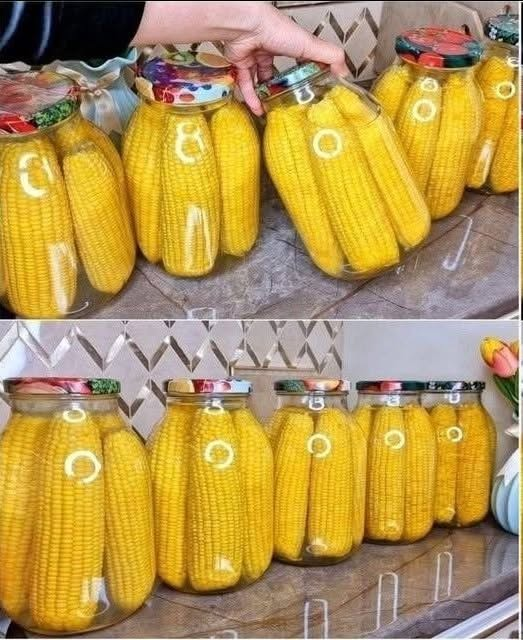
Preserving sweet corn at its peak summer harvest allows you to enjoy tender, sweet kernels throughout the winter months without relying on dull canned alternatives. By using a quick blanching process followed by an immediate ice bath, you deactivate the natural enzymes that break down sugars and alter texture.
Whether preserved as whole cobs or loose, cut kernels, this simple freezing technique locks in vibrant color, crisp snap, and natural sweetness for up to a full year.
Ingredients & Equipment
- Fresh sweet corn: Freshly harvested ears (sweet varieties like Mirai, Peaches & Cream, or Silver Queen work best)
- Water & Ice: A large stockpot of boiling water and a large bowl filled with cold water and ice cubes
- Freezer storage: Heavy-duty, freezer-safe zip-top bags or vacuum-seal bags
The Food Science of Blanching and Enzymatic Control
- Enzyme Deactivation (Peroxidase & Polyphenol Oxidase): The moment an ear of corn is picked from the stalk, its internal enzymes go to work converting natural, sweet simple sugars into complex, bland starches. If you freeze raw corn without heat treatment, these enzymes remain active even at sub-zero temperatures, leading to tough kernels, off-flavors, and dull color over time. Brief blanching rapidly heats the kernels, permanently denaturing these enzymes to lock in peak summer sweetness.
- Thermal Shock via Ice Bath: Plunging hot, blanched corn immediately into ice water stops the cooking process instantly. If allowed to cool slowly at room temperature, residual heat would overcook the outer skin of the kernels, making them soft and mushy instead of crisp.
- Ice Crystal Damage & Air Elimination: Slow freezing forms large, jagged ice crystals that puncture cellular walls, leading to watery corn upon thawing. Flash-freezing flat bags in a single layer speeds up the freezing process. Eliminating excess air prevents freezer burn—the oxidation and dehydration caused by sublimation in a cold environment.
Step-by-Step Instructions
1. Shuck and Clean:Remove the outer husks and silk from the ears of corn. Rinse the ears under cold running water, using a soft vegetable brush or damp paper towel to sweep away any remaining stubborn silk threads.
2. Blanch in Boiling Water
Bring a large stockpot of water to a rolling boil over high heat. Carefully lower the prepared corn into the water and begin timing immediately:
- For loose kernels (blanching on the cob first): Boil for 2 to 3 minutes.
- For whole ears on the cob: Boil for 4 minutes for small ears, or up to 5 minutes for large ears.
3. Rapid Ice Bath Cooling
Using tongs, transfer the hot corn immediately from the boiling pot into a large bowl filled with ice water. Leave the corn in the ice bath for the exact same duration it was blanched (2 to 4 minutes) until the cobs are completely cold to the touch. Drain thoroughly.
4. Cut the Kernels (If Preserving Loose Corn)
For loose corn, stand a cooled ear upright on its flat base inside a large, shallow bowl or over the center hole of a bundt pan. Using a sharp chef’s knife, slice downward along the cob to strip the kernels off. Do not cut too deep into the woody cob core; slice just deep enough to harvest the whole, juicy kernels.
5. Package and Freeze
Pack the cut kernels or whole ears tightly into heavy-duty freezer bags. Press out as much air as possible before sealing (or use a vacuum sealer for maximum shelf life). Label each bag with the date. Lay the bags flat on a baking sheet and freeze until solid, then stack them neatly in your freezer.
Storage and Winter Culinary Uses
Cooking from Frozen: There is no need to thaw frozen corn kernels before cooking. Toss them directly into bubbling chows, Southwest black bean casseroles, vegetable soups, or stir-fries during the final minutes of cooking. To serve as a simple side, sauté frozen kernels in a hot skillet with unsalted butter, sea salt, and fresh herbs for 3 to 4 minutes until hot and sweet.
Freezer Shelf Life: Properly blanched and sealed corn will maintain optimal quality and flavor in the freezer for 10 to 12 months.


